The Boisdale Potted Guide to Tbilisi
The Boisdale Potted Guide to Tbilisi
Boisdale
With both British Airways and EasyJet launching direct flights from London to Tbilisi in 2025, there has never been a better time to visit the Georgian capital. Those who take the five-hour flight will be rewarded by a city rich in culture, architecture, atmosphere and sybaritic pleasures.
Those pleasures have increased significantly in recent years. A plethora of bars, restaurants and hotels have opened, showcasing Georgian wine, cuisine and hospitality with a new-found confidence. Tbilisi has been under various coshes throughout history, not least being part of the Soviet Union until 1991, but the city now embodies a great sense of pride in Georgia’s unique and historic culture.
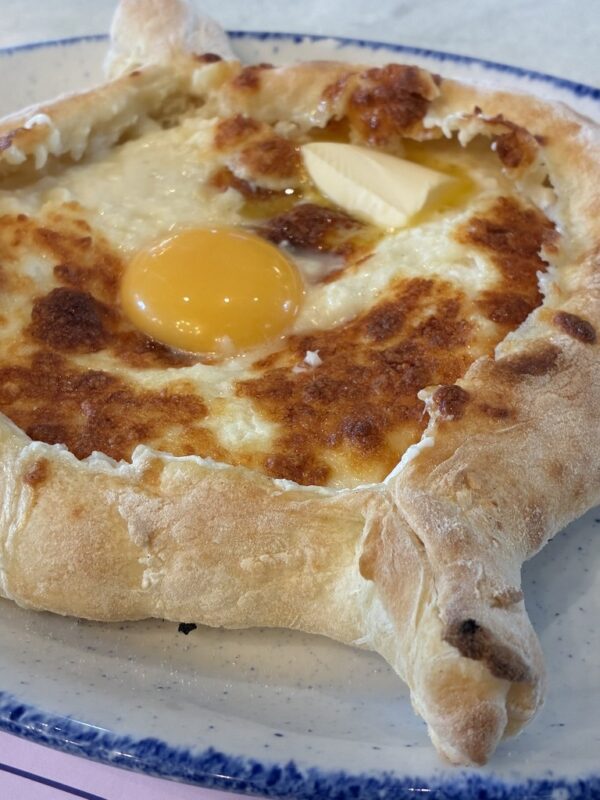
Gastronomes shouldn’t leave the city without trying both khachapuri, Georgian cheesebread, of which the most famous variety comes from Adjara, on the Black Sea, and is topped with an egg yolk and a generous knob of butter, and khinkali, soupy pleated dumplings filled with meat, spices and sometimes herbs: there are suggestions for both below.
And Tbilisi is quite possibly the world’s most exciting and best value hunting ground for oenophiles on the hoof, something unthinkable just 20 years ago. American John Wurdeman and a clutch of Georgian winemakers started the trend for natural wine bars at Vino Underground in 2012, and there are now around 20 of them, many dotted around the area just west of the historic cobbled centre – perfect for a wine crawl – while the city’s restaurant wine lists also reflect the resurgence in Georgian wine. If you fancy a cigar, head to the Havana Club Tbilisi, a sort of Georgian Boisdale, with a fine whisky selection.
On top of that, there are some great value, characterful places to stay, and hopping around the city either on foot or by cab (the Bolt app is the one to download) is easy.
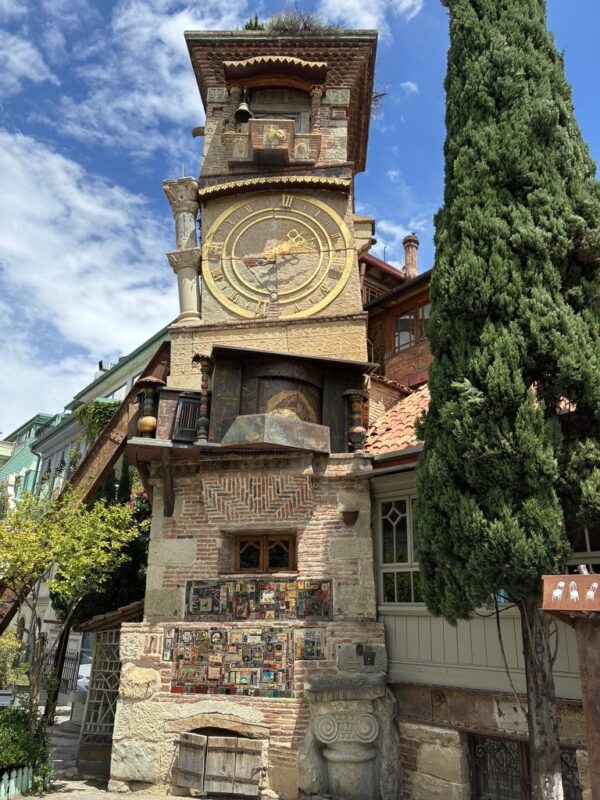
Places to stay:
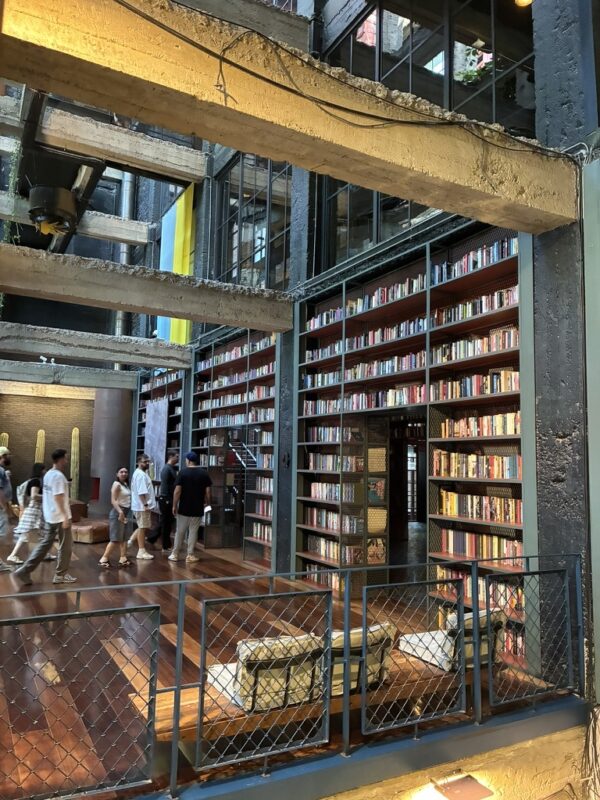
While Georgians are some of the world’s most hospitable people, the service in restaurants and hotels was often (and sometimes still is) sullenly Soviet in nature. Not at Stamba, part of a new breed of boutique hotels that are often located in converted Soviet-era, Brutalist factories: Stamba was once a printing house.
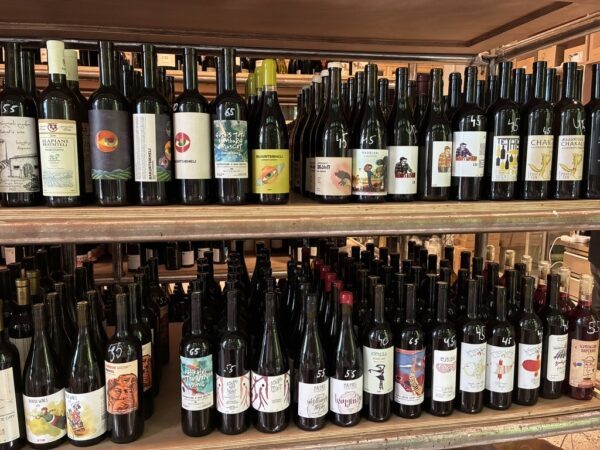
It now features a jaw-dropping, jungle-themed lobby; rooms with brass bathtubs and top-of-the-range coffee machines and audio systems (there’s a vinyl library downstairs); an onsite café/restaurant, a chocolatier, a coffee roastery, and Warehouse, a great wine bar/shop with thousands of Georgian wines; outside, digital nomads perch on the amphitheatre-like steps with an iPhone in one hand and a glass of wine in the other.
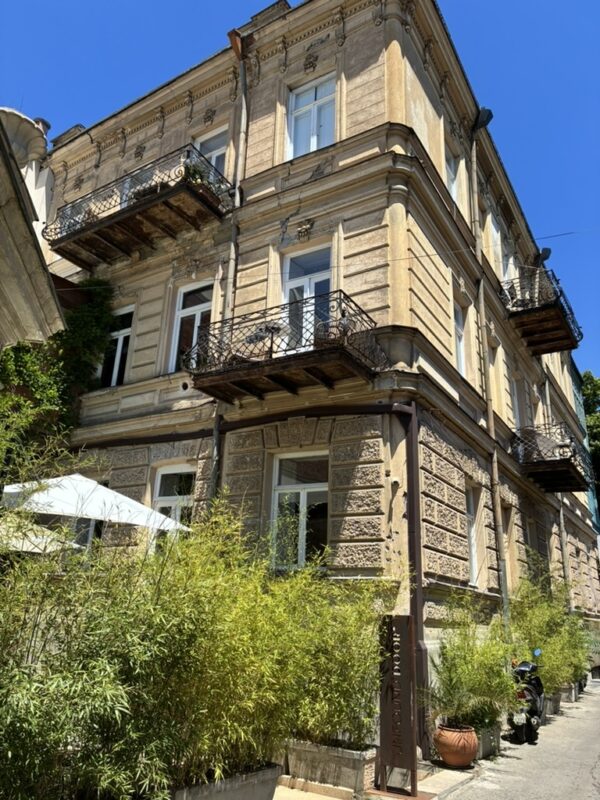
A lovely hotel on the right bank of the Kura River, Unfound Door’s 13 bedrooms are all individually designed, with modern touches complementing the historic interiors. The Belle Époque façades and wrought iron balconies chime perfectly with the recently smartened-up Davit Aghmashenebeli Avenue outside, a generous boulevard with smart shops reminiscent of Paris or Vienna, and there is a decent inhouse restaurant, too.
Formerly one of Tbilisi’s Soviet-era Brutalist landmarks – it was the city’s main post and telegraph office – The Telegraph launched in June 2025 as a five-star hotel with 239 rooms in nine categories and a host of restaurants and bars (the Grand Café is especially atmospheric), in an enviable location on the wide, tree-lined Rustaveli Avenue, home to the Georgian Parliament, the Georgian National Opera and several museums. Five-star bells and whistles include a spa, a gym, a vinyl listening room, and – launched in collaboration with the famous American music magazine – the newly-opened Rolling Stone rooftop bar.
Even if you don’t stay at Fabrika – it serves as a hostel for backpackers, but it does also offer a few great-value ensuite double rooms – you should visit for the vibe: a former Soviet sewing factory, it is now one of Tbilisi’s liveliest cultural hubs.
The open courtyard is surrounded by artists’ studios, cafés, bars (including Saamuri, a tiny-but-lovely natural wine bar in a leafy corner), shops (vinyl records, ceramics, fashion...) and even a barber’s. Digital nomads take advantage of the co-working space inside, or, in good weather, just plonk a laptop on a courtyard table. Events are frequent and varied: check the website. One of the coolest spots in the city.

Places to eat:
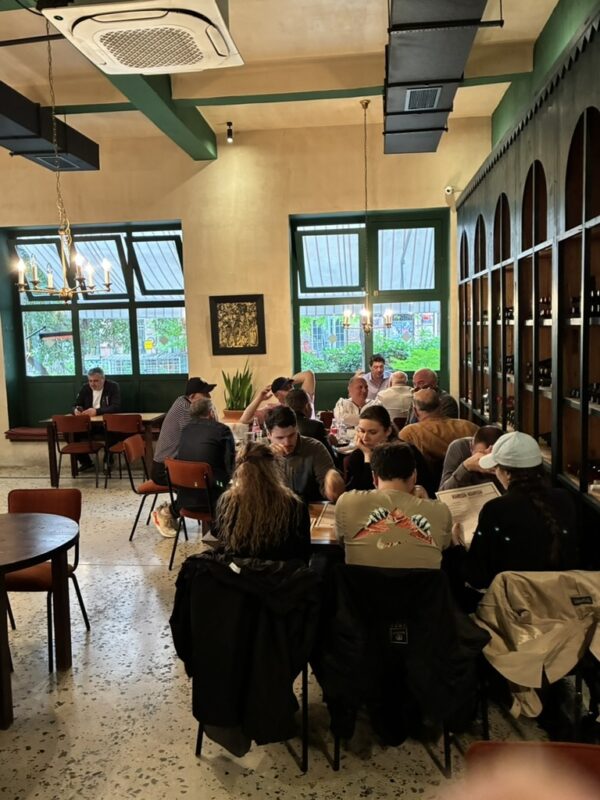
Set in a funky, mural-and-graffiti embellished neighbourhood just a stone’s throw from Fabrika, Khash Khash is one of the best places to try refined-but-authentic Georgian cuisine in a small, friendly, bistro-style restaurant. The immaculately-pleated khinkali are some of the best in town – order the Ghulelebi mountain variety – and everything else on the menu sings with freshness. There is even a splendid version of khashi, “hangover soup”, made with beef intestines, trip and shank, with a shot of chacha on the side: not for the faint of stomach, but very reviving.
This high-ceilinged, modern-industrial bakery and café with a terrace overlooking the Kura River is perhaps the best place in town to sample the delights of khachapuri, either Adjarian, with egg yolk and butter, or the Guliani version, with a pizza-like crust and filled with blistered cheese. The inhouse patisserie knocks out impeccable cakes and pastries (try the Paris-Brest) and they serve a cracking hamburger topped with Racha ham. Coffee, wines and cocktails are all excellent, too: it’s a great spot for a long brunch.
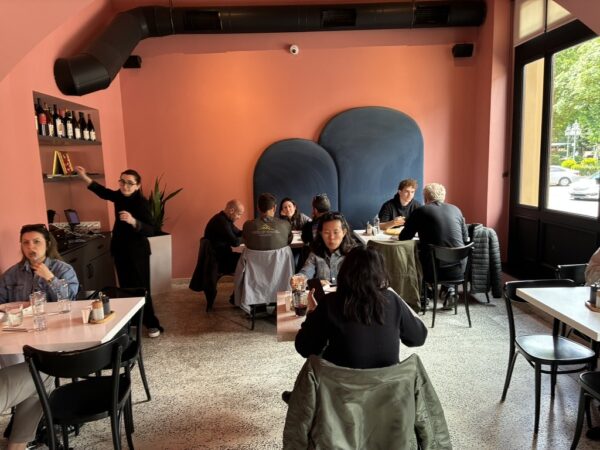
Café Daphna has long held a reputation for serving the best kinkhali in Tbilisi, and it is well-deserved: choose from beef and pork – spiced or unspiced, Kakheti-style – spiced beef, or, for a true taste of the Georgian mountains, the dambalkhacho variety, filled with a pungent cheese (“mouldy”, as it says on the menu) and served with a yoghurt sauce. Lobiani – bean-filled, pan-baked bread with Racha ham – is splendid, too, as is fried quail with tashmijabi (mash and cheese, similar to French aligot) and barberries.
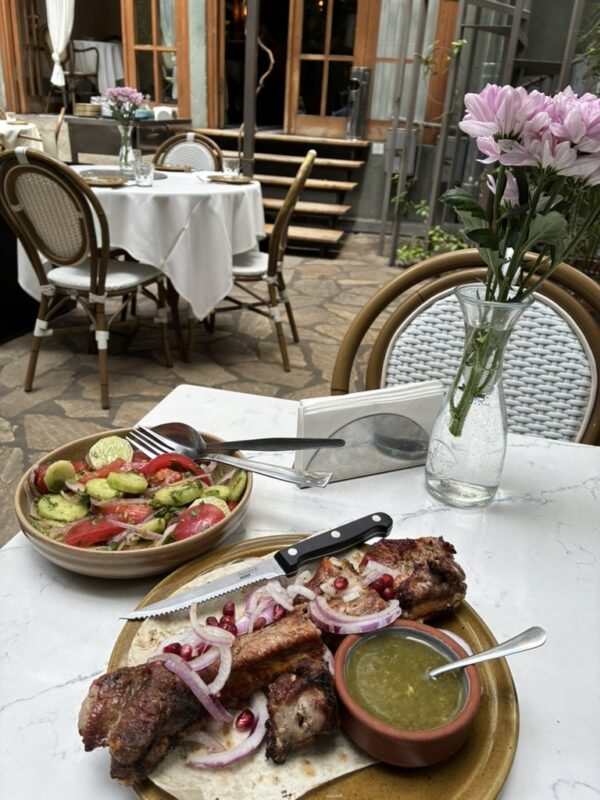
On a warm, dry day, there are few more tranquil places for lunch than on the terrace at Alubali, on the west bank of the river, near Stamba. Speckles of coriander and chilli on the fresh and flavoursome tomato and cucumber salad remind you that you are on the edge of Asia; generous slabs of barbecued pork ribs are sharpened with tkemali (sour green plum sauce); while chikhirtma – chicken soup with egg and lemon – is reminiscent of Greek avgolemono.
For cooler evenings, the dining room is a lovely choice, too: bentwood bistro chairs, floorboard-skimming white tablecloths and filament bulbs give Alubali an elegant, intimate feel. It is one of Tbilisi’s best places to dine at any time of day or season of the year.
Places to drink:
The daddy of all Tbilisi’s wine bars, founded by American artist and musician John Wurdeman, the man behind the Pheasant’s Tears winery and restaurant in Kakheti, and a bunch of Georgian winemakers back in 2012.
Vino Underground’s brick-lined basement just south of Freedom Square is still going strong, and is still a Mecca for wine lovers, winemakers and sommeliers. The staff are hugely knowledgeable and don’t mind their brains being picked: if you are planning a wine tour of Kakheti, this is a great place to start.
Owned and run by three childhood friends, Krebuli, opened in April 2026, is a cool, friendly little bar with 20 or so bistro chairs, a few snacks on the menu (although they also host occasional feasts), a jazzy soundtrack, and a lot of low-intervention wines from all over Georgia. The owners are evangelical about their wines: show some curiosity and you will invariably be rewarded with a taste of any bottle that’s open.
Named for the 8 000 years that Georgia has been making wine, not for the number of bottle on the shelves (although the – entirely Georgian – selection is huge), 8000 vintages has a clutch of bars in Tbilisi, one in Batumi, on the Black Sea, and now one in Berlin. You can buy wines to take away, but you can also pair your chosen bottle with boards of charcuterie and cheese (try the Georgian board, which features Racha mountain ham).
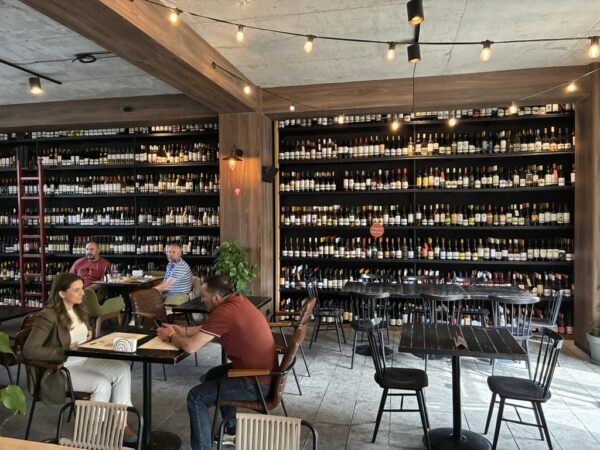
Anyone who misses the 1980s candlelit wine bar ambience will feel right at home in Kancellaria, a cosy spot to try some of Georgia’s best wines over a flickering flame. Saperavi (for reds) and Rkatsiteli (whites) are Georgia’s most-panted grape varieties, and there are plenty on offer here, but also many wines made from more than 500 other indigenous varieties: try Kisi, Mtsvane or Dzelshavi, for instance. And a few glasses at Kancellaria can easily slide into dinner – order the schnitzel, everybody does – and then join the drinkers and smokers (smoking is a Georgian national pastime) outside for a digestif.
Not exactly a bar, more a shop, although it doesn’t take much prompting for owner and Georgian spirit aficionado Vato Bodsvadze to line up a few bottles of chacha on his long wooden bar and pour out a few samples.
Chacha is Georgian grappa, distilled from the skins, pips and stalks left over from winemaking: small-scale production was banned under the Soviets but is now thriving, as Bodsvadze’s packed shelves prove. Chacha Corner is a great place to pick up a couple of bottles to stash in your suitcase: there is also a fine selection of Georgian brandies and eaux-de-vie on offer.

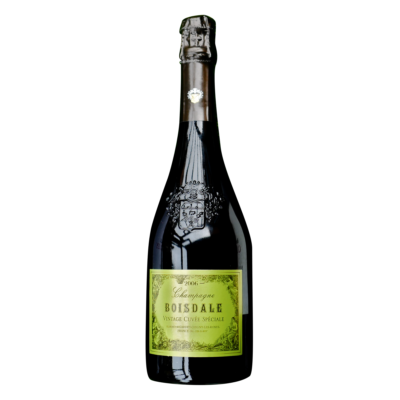
Comment for a chance to win a bottle of Vintage Champagne!
Send us a comment about this article, or ideas for future articles or interviews you would like to read. If we decide to publish any comments in future, you will win a bottle of Vintage Champagne.
Coming up at Boisdale
Discover what's going on across our famous venues

Membership
The Boisdale Club exists to generally encourage the enjoyment of life with a specific focus on delicious wine, Cuban cigars, Scottish malt whisky, live music and interaction between its members.
Please click apply now to find out more and sign up to the Boisdale Club.