Little Red Booster?
Boisdale Life’s resident medic looks at the health benefits of red wine
Doctor Feelgood
“A glass of wine a day keeps the doctor away.” The debate surrounding the possible health benefits of red wine has rumbled on for many centuries. The Romans considered wine so important for health that it was deemed a democratic drink for all, including slaves, although the wine was invariably diluted with water; these days, epidemiologist Professor Tim Spector (the co-founder of nutrition advice company Zoe, and an expert on the gut microbiome) supports the health benefits of red wine, as did the late, dearly missed Dr Michael Mosley.
M&S, in partnership with Zoe, already markets a kefir-based “gut shot”, so will M&S start selling a Zoe “wine shot” as well? All agree that excessive alcohol intake causes multiple downstream disasters, but what about a glass or two a day? Friend or foe?
Stripped down, red wine is a mixture of water, ethyl alcohol, phenols, tannins, minerals, and organic acids with volatile organic compounds providing the bouquet. Clearly it isn’t the alcohol itself providing health benefits, rather an ingredient within red wine not found in other beverages: polyphenols.
Red wine contains 10 times more phenolic compounds than white wine. Polyphenols are a diverse group of chemicals, such as flavonoids, anthocyanins and resveratrol, mainly derived from the stems, seeds and skins of black grapes during the maceration phase of vinification. These diverse compounds are central to unique characteristics of the wine such as colour, flavour, mouth feel and aroma.
Various epidemiological and scientific studies link polyphenol intake to improvement in lipid (cholesterol) metabolism and the flavonoids for antioxidant properties. Without delving into complex biochemistry, “oxidative stress” can damage blood vessel lining and change the composition of cholesterol metabolites, increasing risk of a cardiovascular adverse event (a stroke or a heart attack, for instance).

An antioxidant, Mediterranean-style diet (fruit, nuts, seeds, olive oil... mopping up the nasty free radicals that damage blood vessels) also includes red wine. The journal Food and Function published a comprehensive literature review of the evidence in 2023 supporting the benefit of red wine in cardiovascular health.
Diabetes prevalence is increasing across the globe with long term risk to eyes, kidneys, nerves and the heart. Again, moderate red wine intake has been associated with better glycaemic (sugar) control in a study published in the Annals of Internal medicine (CASCADE Trial). A rare long-term randomised control trial showed a modest beneficial effect of initiating moderate red wine consumption among previously alcohol-abstaining patients 40 years or older with type 2 diabetes.
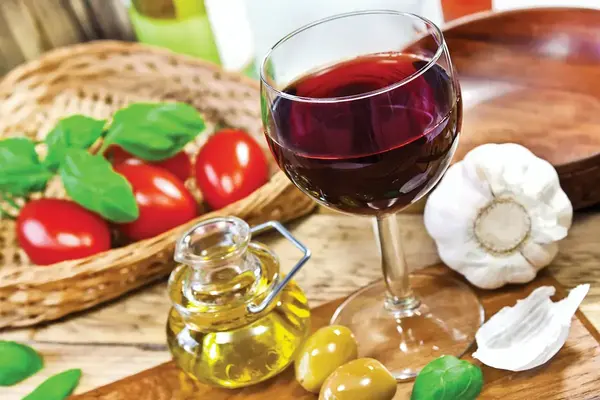
In the brain small amounts of alcohol increase the neurotransmitter GABA which has a calming effect, while glutamate levels excite the brain. These effects are seen disproportionately within the frontal lobes responsible for emotional regulation. Disinhibitions related to wine-induced neurotransmitter fluctuations may account for foolishly taking the karaoke mic on a work night out.
A Spanish study of more than 5 500 men and women showed less depression in those who drink two to seven glasses a week. Happy days! The trusty red wine flavonoids also have beneficial antioxidant effects in the brain, protect neurons from oxidative stress, reduce inflammation, improve brain blood flow and enhance cognitive function.
Gut microbiome research is all the rage, trillions of bacteria, fungi and viruses crucial for digestion, metabolism, immune response with even an axis linked to the brain. The TwinsUK study published in the journal Gastroenterology in 2020 showed that red wine consumption (unlike the consumption of beer, cider, white wine or spirits) led to a more diverse gut microbiome.
I would caution against over-indulgence, but the antioxidant and anti-inflammatory powers of red wine do seem to have a positive effect on cardiovascular, diabetic, gut and mental health wellness. Whether it's a Barolo or a Rioja, a fabled bottle of Petrus or a simple young red, what’s your healthy poison?
In fact, young reds have a higher polyphenol content than mature wines, although I sincerely hope this will not herald the return of the 1980s Beaujolais Nouveau circus.



Boisdale & The Spectator Beaujolais Nouveau Lunch 2026
Boisdale of Canary Wharf
Thursday 19 November | 12pm
Boisdale and The Spectator have joined forces to reinstate the charm and fun of Beaujolais Nouveau Day to the UK’s vinous calendar, in partnership with Pardon et Fils, whose Beaujolais Nouveau has won the Trophy for best Beaujolais Nouveau nine times and ten Gold Medals at the Trophée International du Beaujolais Nouveau Lyon since 2002.
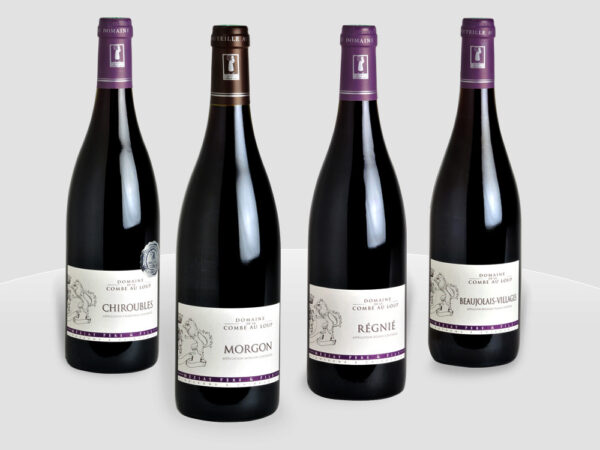
The five-course lunch opens with Beaujolais Nouveau 2026 and Beaujolais Nouveau Rosé 2026 at reception, before moving through Beaujolais Villages Nouveau, Chiroubles 2024, Brouilly 2024 and Fleurie 2024 with the courses, and finishing on Morgon 2023 Côte du Py with the cheese. Hosted by The Spectator’s business editor Martin Vander Weyer, Boisdale founder Ranald Macdonald and Douglas Harrison.
Tickets include a 5-course lunch and all the wines:
£169 standard | £145 for Boisdale Members (up to 5 guests at Members prices)

Comment for a chance to win a bottle of Vintage Champagne!
Send us a comment about this article, or ideas for future articles or interviews you would like to read. If we decide to publish any comments in future, you will win a bottle of Vintage Champagne.
Coming up at Boisdale
Discover what's going on across our famous venues

Membership
The Boisdale Club exists to generally encourage the enjoyment of life with a specific focus on delicious wine, Cuban cigars, Scottish malt whisky, live music and interaction between its members.
Please click apply now to find out more and sign up to the Boisdale Club.