
How To Bluff At... Cricket
The arcane language of flannelled fools

Bill Knott
Our national summer game inspires devotion from the few, but bewilderment from the many. Football, by contrast, is simple: two teams try to kick or head a ball into a net. There is the offside rule, of course, but that is a mere bagatelle compared with the Laws of Cricket, of which there are 42, plus dozens of appendices dealing with such arcane subjects as the permissibility of webbing in gloves, and precisely what constitutes “waist height” in relation to a pair of trousers.
Cricket’s terminology and jargon can be as bafflingly opaque as its rules. But fear not. The plucky England cricket side may have come a cropper Down Under in their recent, dismal attempt to recover the Ashes (see below), but follow Boisdale’s How to Bluff at Cricket and you will be the toast of the pavilion.
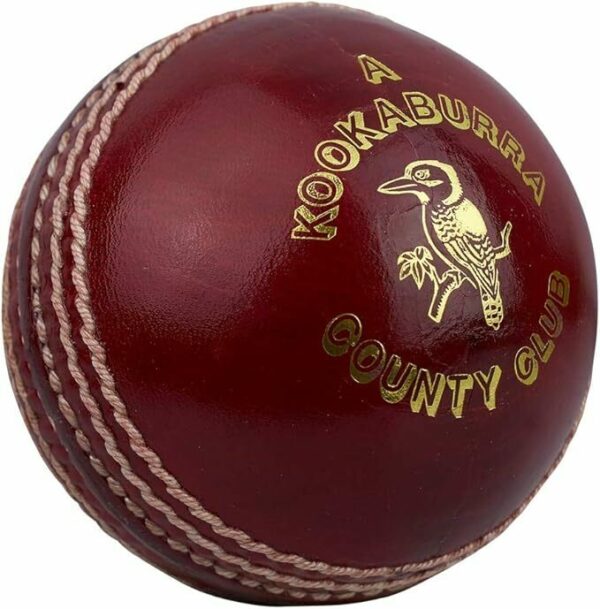
“I’d like to see him with a Kookaburra in his hand”
Nothing to do with ornithology: the Kookaburra is the make of cricket ball used in Australia. When box-fresh, and in the hands of a skilled fast bowler, it can be lethally quick and bouncy.
“That was an absolute jaffa!”
And nothing to do with fruit: a “jaffa” is slang for a ball so fiendish that it makes even the finest batter looks like a complete duffer (see “Ferret” below). Also, rather confusingly, a jaffa is sometimes referred to as a “peach of a delivery”, and the ball (especially a new, shiny one) is often called a “cherry”. Who said cricket was a fruitless pursuit?
The corridor of uncertainty
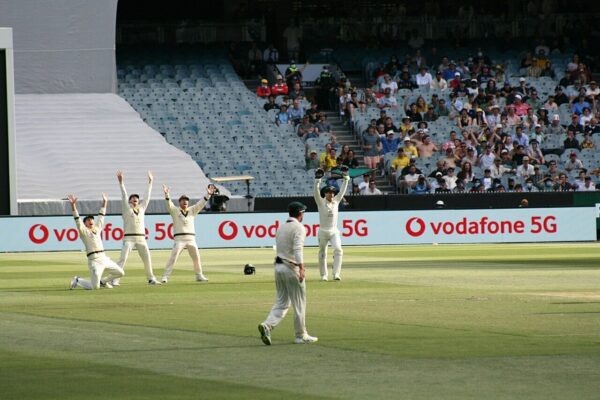
Not a treatise on quantum physics, but a phrase used ad nauseam by cricket commentators (Sir Geoffrey Boycott in particular) to describe the area on or just outside the off stump, leaving the batter unsure whether to leave it, risking being bowled or trapped leg-before-wicket, or to play it, and hope not to edge the ball to be caught behind him by the wicketkeeper or a slip fielder.
The Ashes
Perhaps the smallest trophy in international sport: just four inches high, it contains – so legend has it – the ashes of a burnt wooden bail. Its origins stem from a satirical obituary in the Sporting Times lamenting the “death of English cricket” (the 1882 Australian touring side had just won a match in England for the first time) and stating, with mock solemnity, that “the body will be cremated and the ashes taken to Australia”.
The little urn (nothing to do with Morecambe and Wise) never leaves the MCC Museum at Lord’s, but it continues to symbolise the intense rivalry between the cricket teams of England and Australia and is fiercely contested every two years.
“They’re taking an early lunch”
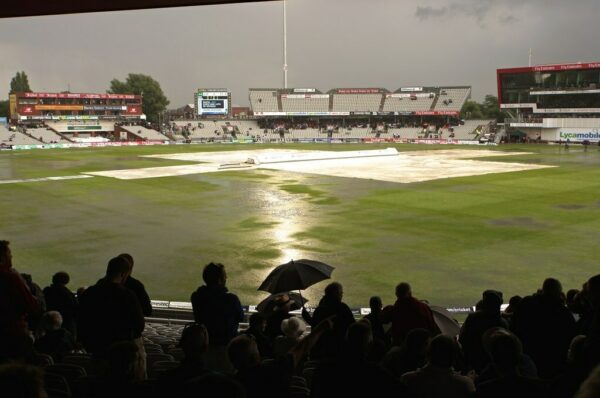
Not because the umpires are feeling peckish, but probably because it is raining: Old Trafford, in Manchester, is particularly notorious for its soggy climate. Cricket is the only sport civilised enough to be played around meal breaks (lunch and tea) and an early lunch or tea is sometimes taken to try to maximise available playing time, in the frequently vain hope that the weather will brighten up while the players are tucking into their shepherd’s pie.
Carrying your bat
“Don’t all cricketers carry their bats?” you might reasonably ask. In cricket jargon, however, it specifically refers to an opening batter who is still in after all 10 teammates have perished and apparently dates back to a time when bats were shared: a dismissed batter would leave his bat behind before trudging back to the pavilion. Cricket is no longer played like rounders, and batters are now as particular about their bats as a virtuoso violinist might be about a Stradivarius.
Rabbits and ferrets
Specialist batters are not required to bowl, but bowlers are obliged to bat, and some of them aren’t very good at it. Known as tail-enders, because they normally occupy the lower reaches of the batting order (although see “Nightwatchman” below) they are also, less politely, known as “rabbits”, while especially maladroit number 11s might be called “ferrets”: because they go in after the rabbits.
Nightwatchman
A player designated as a “nightwatchman” (or “nightwatchperson”, perhaps, in the gender-neutral parlance of modern cricket) does not have to stay awake guarding the wicket all night with just a flask of coffee for company. It is the term for a lower-order batter who is promoted up the order late in the day, often with the intention of protecting a better player from having to face hostile new-ball bowling in gloomy conditions. Amongst bowlers it is, unsurprisingly, not a popular job.

Comment for a chance to win a bottle of Vintage Champagne!
Send us a comment about this article, or ideas for future articles or interviews you would like to read. If we decide to publish any comments in future, you will win a bottle of Vintage Champagne.
Coming up at Boisdale
Discover what's going on across our famous venues

Membership
The Boisdale Club exists to generally encourage the enjoyment of life with a specific focus on delicious wine, Cuban cigars, Scottish malt whisky, live music and interaction between its members.
Please click apply now to find out more and sign up to the Boisdale Club.