
Levantine Delights
Lebanese cuisine, from fragrant mezze to home-spun tabkha

Michael Karam
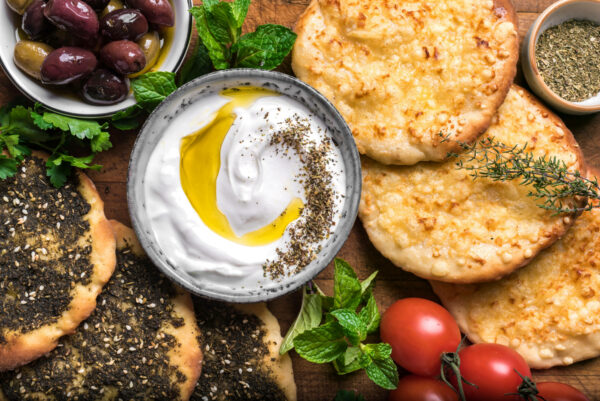
It is eight o’clock on a November morning in Mount Lebanon. A crisp chill rushes into the butcher’s shop whenever a customer opens the door. The butcher, who has been at work since 5am, is taking a break at his counter, finishing a breakfast of kibbeh nayeh, raw puréed mincemeat, blended with herbs, covered with olive oil and garnished with fresh mint leaves. He makes a scoop with the pitta bread and rounds up the last bit of meat, washing it down with a glass of a pungent white liquid. He wipes his hands on his apron and resumes work.
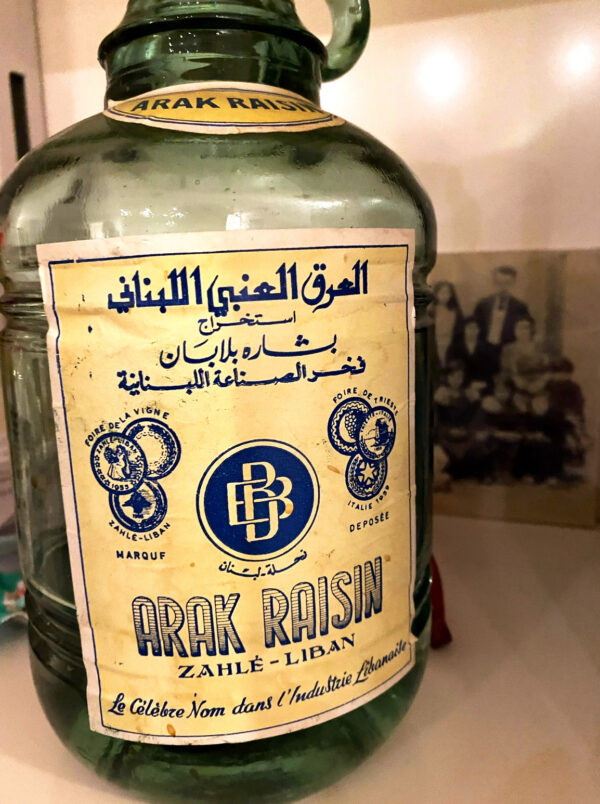
The white liquid is arak, the anise-based eau de vie that is Lebanon’s national drink. To understand Lebanese food, you must first understand arak.
The Lion’s Milk
When travelling in the region at the end of the Second World War, the travel writer Robin Fedden wrote in Lebanon andSyria: an Historical Perspective, “arak, the local aperitif, is very good; made from a grape basis and flavoured with aniseed, it is vaguely reminiscent of Pernod, and has, further, the advantage of being something of a specific against the intestinal troubles which so commonly beset the traveller in the Middle East.”
Arak (or araq) is Arabic for sweat, literally that which is “sweated” from the alembic during the distillation process. The people of the mountains and of the Bekaa valley call haleeb il assad, the lion’s milk. It can be drunk at breakfast, lunch or dinner. My grandfather shaved with a glass next to him.
But Arak’s primary, and greatest role, is as a bonding agent, the social glue that unites the family around the dining table. Its trick is to cleanse the palate after each of the wondrously multi-flavoured mezze dishes.
The Most Important Meal of the Day
The Lebanese breakfast is spearheaded by either Arabic coffee or black tea. Manoushe, a folded mini pizza, is topped with either za’atar, a blend of thyme, oregano, sesame and spices that is the basis of many Lebanese dishes; cheese; kishek, a paste made from fermented bulgur wheat and yoghurt or milk; or spiced mince.
Equally popular is foul medames, fava beans mixed with olive oil, cumin, chopped parsley, garlic, onion, and lemon juice. But beware: this is “carb-coma” territory, and the day can be over before it’s begun.
Not far away will be labneh, thick white yogurt drizzled with olive oil, as well as white cheeses such as balladeh or akkaoui, presented with mint, cucumber, olives and tomatoes. In winter, kishek is made in soup form with garlic and meat, but those seeking the “full Lebanese” should opt for bayd qawarma, minced meat preserved in fat, served with scrambled eggs and washed down with a shot of arak.
The Lebanese table
Lebanese cooking falls into two categories: tabkha, or home cooking, and the more pimped-up mezze, the ornate spreads found in restaurants that precede either a meat or seafood main, followed by lavish sweets, fruit, and thick, cardamom-infused coffee.
Tabkha is what Lebanese people eat most of the time. Traditional family recipes, generously served, especially vine and cabbage leaves, courgettes and aubergines, often stuffed with rice and meat. Bulghur (for kibbeh) and lentils (for mujadara) are hugely important ingredients, as are garlic, sumac, oregano, mint and za’atar. Salads, such as omnipresent tabbouleh and its bumpkin cousin fattoush, are a staple, as is loubieh bi zeit, green beans and tomatoes cooked in oil. Pastries too, filled with cheese, spinach or chard.
There is a restaurant in the Gemmayzeh district of Beirut called Le Chef. Unfairly sniffed at by the Lebanese bourgeoisie, but adored by the late Anthony Bourdain, it is a temple to tabkha. There is a set menu. On Thursday, it is molokhia a dish of rice on which is served a stew of jute mallow and chicken, garnished with crushed, fried pita bread and an onion and vinegar sauce. Friday is fish day: sayadieh, made with seasoned halibut or sea bass, and browned, oily rice, is the most popular dish.
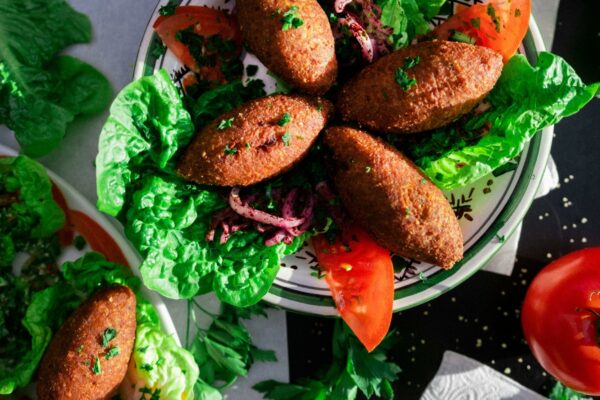
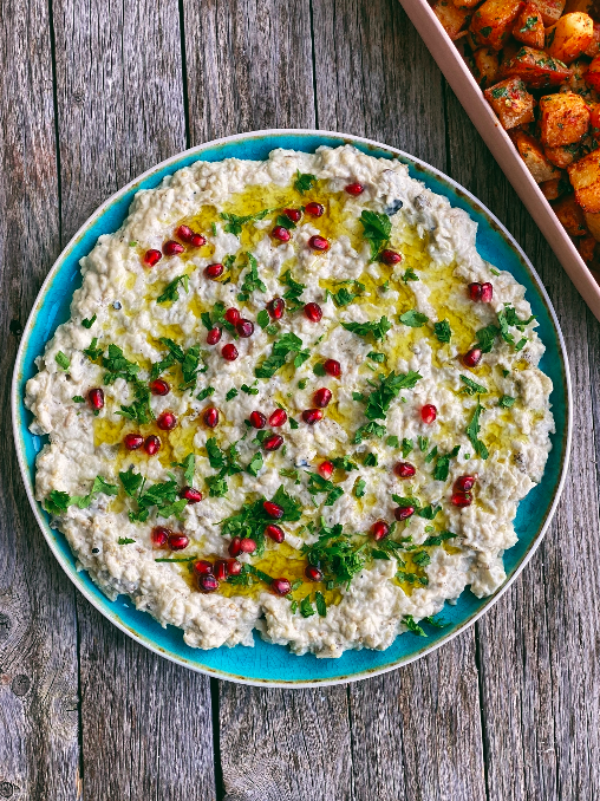
Sunday lunch is sacred, an excuse for the extended family to gather either at home, or at a restaurant in which loud, long tables will often host three generations of family and friends. The typical mezze spread will typically include hummus (with or without lamb chunks); mtabal batenjen (that’s baba ghanoush to you); tabbouleh or fattoush; shanklish (goats cheese mixed with tomatoes, onions and olive oil); maqanaq (small sausages cooked with pomegranates); and kibbeh nayeh, which, when drenched in oil, piled high with onion and mint, and washed down with arak, must surely be the “money shot” of Lebanese dining.
Sweets
Sweets are a big deal; even at breakfast, when knafeh, a flan made with spun pastry dough, layered with cheese and served with a sweet syrup, often sneaks onto the table. At other times of day, you might find baklava, which originated in what is today Syria; halawet il jibn, rolls made with semolina and cheese dough, filled with ashta (clotted cream); and osmalieh, made with layers of shredded pastry with a creamy filling. These are Lebanese cuisine’s front-line troops in the war against a trim waistline.
It is impossible to cover such a vast culinary tradition, one that has been influenced by the ancient Phoenicians, the Persians, Romans, Arabs, Ottomans, and Armenians as well as the much-travelled Lebanese themselves. There is much more to seek out. Happy hunting!
As the Lebanese say at any meal to those who have provided the food: Daymi inshallah. “May [times like these] always be like this.”
Michael Karam is the author of “Arak and Mezze: The Taste of Lebanon”
And to drink?
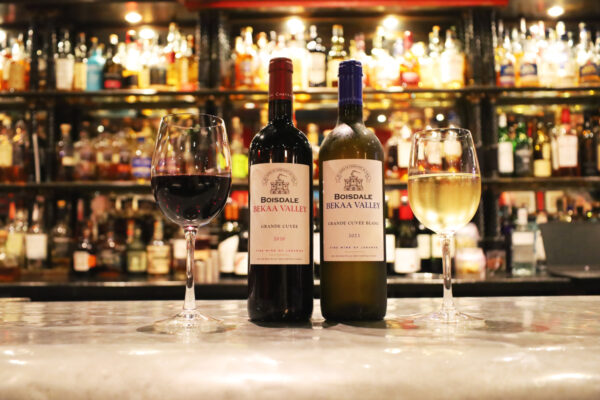
Lebanon is one of the world’s oldest winemaking regions and today can take a seat at the top table of the wine world. While wine will never dislodge arak at the traditional Lebanese dining table, it is a popular alternative, especially for those who don’t like aniseed. The Lebanese drink a lot of white and rosé during the summer, while their more muscular red wines are reserved for the cooler months.
Boisdale – in collaboration with Chateau Ksara, Lebanon’s leading producer, founded in 1857 by Jesuits in the Bekaa Valley – lists its own red and white Bekaa Valley Grande Cuvée: both are wonderful examples of French-influenced winemaking (France ran Lebanon from 1918 to 1946) allied to a profound and ancient terroir.
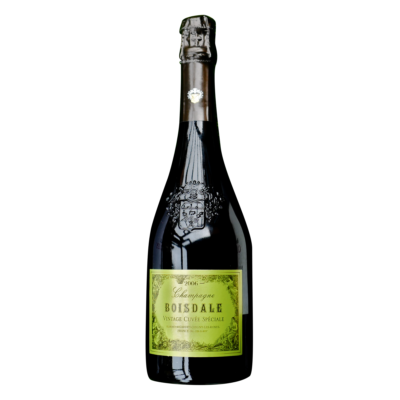
Comment for a chance to win a bottle of Vintage Champagne!
Send us a comment about this article, or ideas for future articles or interviews you would like to read. If we decide to publish any comments in future, you will win a bottle of Vintage Champagne.
Coming up at Boisdale
Discover what's going on across our famous venues

Membership
The Boisdale Club exists to generally encourage the enjoyment of life with a specific focus on delicious wine, Cuban cigars, Scottish malt whisky, live music and interaction between its members.
Please click apply now to find out more and sign up to the Boisdale Club.