
Wild Larder
Tom Radford hails from the New Forest: as well as being a filmmaker and running a production company, he is passionate about foraging wild food.

Tom Radford
Tom Radford hails from the New Forest: as well as being a filmmaker and running a production company, he is passionate about foraging wild food. He runs foraging walks all over the UK and is a keen cook and advocate of wild meat and game, while his channel @EatTheCountry offers a wry and comedic approach to educating people about the bounty to be found in the countryside
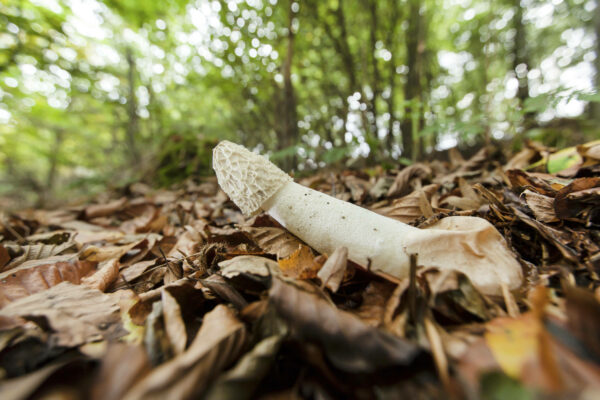
In the high-rolling, cut-and-thrust world of foraging, I often find myself at odds with my peers because I refuse outright to use Latin names when discussing wild food and fungi.
The only exception to this is Phallus Impudicus, the wonderfully apt description of the stinkhorn mushroom: it resembles male sexual apparatus shamelessly emerging from the undergrowth. Not only does it look rude, but it also smells terrible.
What, you may ask, has this to do with wild food? Well, although there are those who do actually eat the young ‘witch’s egg’ (an immature stinkhorn), I’m certainly not one of them. But this deviation from the norm is really just an illustration of how much fun it is to wander off the path, brave the thorns, nettles and cobwebs, and try something a little different.
As I write, it’s autumn and there’s talk of sloes and porcini from every quarter. Crab apples, hazelnuts, winter chanterelles and parasol mushrooms abound…but what about the slightly more obscure culinary delights quietly setting out their stalls in the woods, meadows and hedgerows of the UK?
In this piece I want to talk about three of my favourite, lesser-celebrated little gems from the British menu sauvage.
Hedgehog Mushrooms
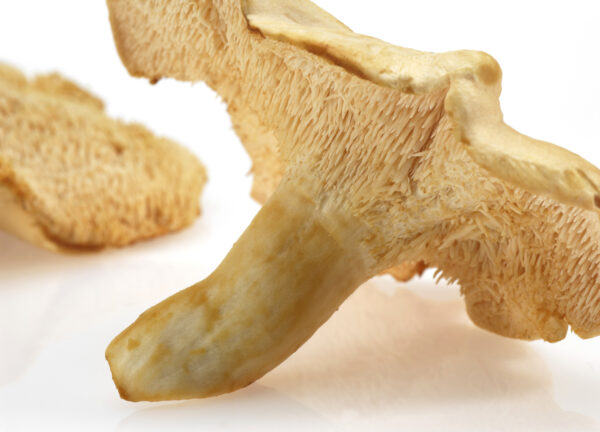
So named because of the downward pointing spines, as opposed to gills or pores, under the cap. The spines or “teeth” give this mushroom its other moniker, “sweet-tooth”. But actually they’re not spines at all, they’re soft and perfectly edible.
Some people brush them off, probably the same people that chill blackberries to tease out the harmless inhabitants, presumably because they’re afraid fruit fly larvae might invade their body and burst out of their chest over breakfast like the Alien...give me strength.
A fairly easy mushroom to identify, the hedgehog is usually a pale buff to apricot colour, while the caps can be irregular in shape and even quite lumpy. But the teeth are the unique to the hedgehog, as far as I know.
Appearing in late summer and autumn, I tend to find them in mixed woodland. When it comes to mushrooms, beech, oak and birch form the Holy Trinity, but I often find a few conifers (spruce and Scots pine, for example) dotted around my favourite mushroom spots. The hedgehog is often hard to spot, but once you find one, you’ll inevitably find more.
This is, hands down, my favourite eating mushroom because of its firm texture and wonderfully nutty flavour. As with all the best mushrooms, just cook gently in butter, possibly with a little garlic, and serve it just as it is, or on a slice of toast.
Water Pepper
I suspect I’m the only forager who begins every walk with the phrase ‘I’m sorry to disappoint you but 90% of this stuff is just a shit substitute for spinach’. Despite what you might think, I’m not decrying nature’s bounty in any way. It’s all clean, healthy, nutritious and worth eating...but the bulk of it tastes like lawn.
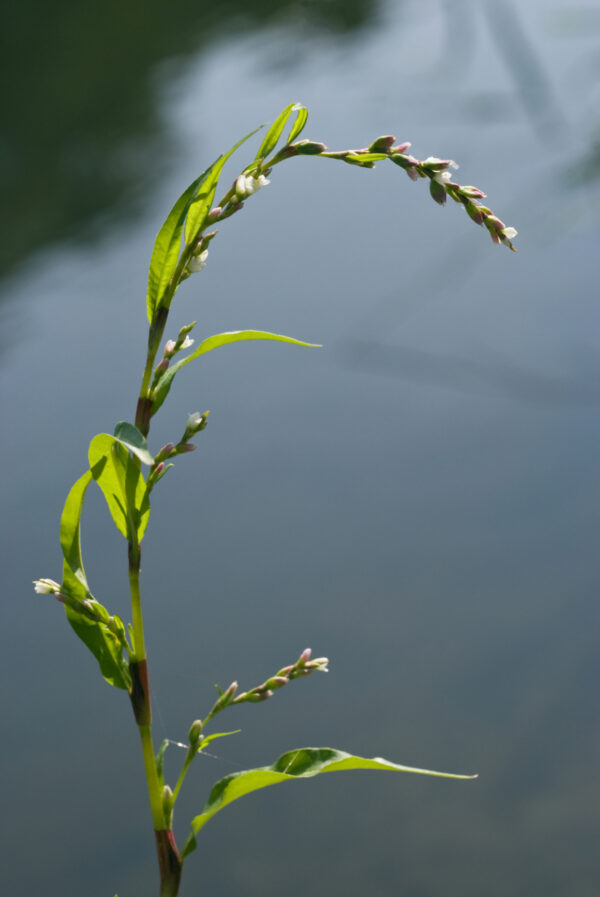
However, there are some notable exceptions and water pepper is one of my favourite treats. This is one of those plants you’ll have seen but not noticed, and now you’ll start seeing it everywhere: by rivers and in marshy areas, anyway. It has long, slender leaves and stems covered in buds that end in tiny pink flowers.
Take a leaf, give it a nibble and you’ll suddenly get the shock of your life. This little plant has a chilli-pepper hit so unexpectedly Tijuana that it will fill your mouth with joyous spicy fire and have you reaching for a glass of milk.
I find it wonderful that something derided as a common weed, destined to meet its fate at the hands of the nation’s strimmers and lawnmowers, is actually a proper culinary ingredient that will drag any disillusioned supermarket salad into the warm light of edibility.
Anti-microbial and astringent, it was traditionally used to treat wounds; also, as is common with wild plants, as a diuretic. Folklore held that it could promote fiery passion and fidelity whilst also keeping evil witchcraft at bay. Witches weren’t evil, of course, they were some of the few who actually practiced effective herbal medicine, and yet they were persecuted by imbecilic zealots who preferred quack-like cures such as covering one’s body in burned owl feathers to cure gout.
Haw Berries
Overshadowed by more celebrated fruit such as damsons, rose hips and sloes, the humble haw berry is often sidelined, a miscarriage of justice I will do my best to correct.
2025 is what we call a “mast” year: stroll down any country lane, and you’ll see trees and bushes weighed down with fruit and nuts. Nature is straining to produce as many fruiting seeds as possible.
Why this happens is not entirely clear. Everything, right from the first snowdrops of January, has been turbo-charged this year. Maybe it’s the cold winter, or a response to last year’s washout. Either way, it has probably been accelerated by one of the driest summers in living memory.
Hawthorn berries are everywhere, wonderful clouds of crimson fruit bending the boughs of their hosts. Whilst edible, the berries are not particularly interesting in their raw form: the soft flesh has a texture not dissimilar to avocado, and little taste. However, boiling the berries, sieving the juice and reducing it with sugar produces a wonderfully tangy tasty syrup. Packed with vitamin C, and excellent on pancakes.
Apparently, hawthorn is Britain’s unluckiest tree, according to a poll taken in the 1930s, anyway. I can’t help but think it must have been a fairly quiet week on the news desk for this to have made the headlines.
Why it is unlucky is unclear, but it is reputed to smell like the plague (I must say I’ve never noticed this). In the Christian tradition, it’s held that Joseph of Arimathea, having finished his adventures with Jesus and the gang, travelled to Glastonbury, where he thrust his staff into the Tor, from which grew a sacred hawthorn. I’ve met people to this day who claim to have trees grown from its cuttings, but I remain sceptical.
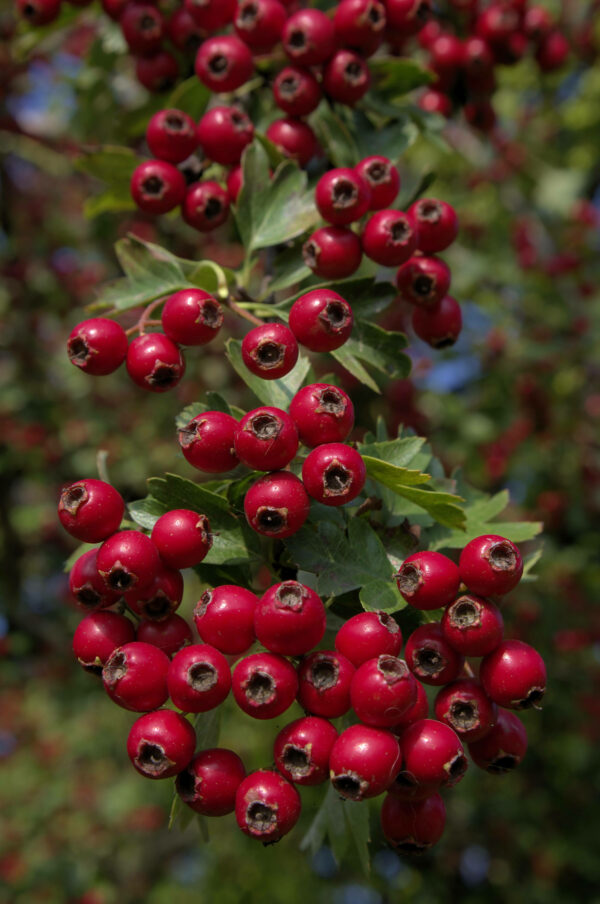
Nicknamed ‘bread and cheese’ (presumably the leaves are the bread, and the soft flesh of the berries are the cheese), it’s not advisable to eat the leaves as they contain a beta-blocker, and the stones of the fruit contain cyanogenic glycosides, so discard them as well.
So, these are three lesser-known wild edibles that I look forward to both foraging and cooking with every year. There are treasures to be found at all times of year in the wonderful British countryside: arm yourself with a good handbook, get out there and try something different.
But I beg you, always follow the golden rule...don’t eat anything unless you know the difference between Death and Dinner!

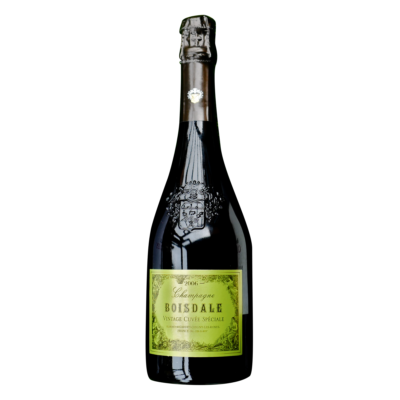
Comment for a chance to win a bottle of Vintage Champagne!
Send us a comment about this article, or ideas for future articles or interviews you would like to read. If we decide to publish any comments in future, you will win a bottle of Vintage Champagne.
Coming up at Boisdale
Discover what's going on across our famous venues

Membership
The Boisdale Club exists to generally encourage the enjoyment of life with a specific focus on delicious wine, Cuban cigars, Scottish malt whisky, live music and interaction between its members.
Please click apply now to find out more and sign up to the Boisdale Club.