
Stoicism And The Art Of Expectation Management (Or How Not to Lose Your Mind on the 18th Hole)
How a grasp of Stoic principles can conquer sporting ignominy
Alex Hucklesby
It was May 1993 at The Belfry. I was on a corporate jolly: golf by day and the infamous on-site Bel Air nightclub by night. And yet – despite memories of dance-floor indignities and a bloodstream composed largely of Jägermeister – I was somehow playing the round of my life: seventeen holes of near-flawless golf, the golfing gods for once in benevolent mood.
Then came the 18th.
The plan was simple: lay up short of the lake, wedge, two putts, stroll off with a smug bogey and a scorecard worthy of framing. First two shots: great. Then the lake. Plop. Reload. Plop. Balls three and four followed, the last skipping across the surface like a Barnes Wallis prototype, before sinking just shy of the promised land.
Any rational adult would have played a fifth ball, finished the hole, and reflected on 17½ holes of glory. I was not that rational adult. I was 22, catastrophically un-Stoic, and convinced the laughter behind me confirmed a vast cosmic conspiracy. So I did the only “reasonable” thing: hurled my golf bag into the lake and stormed off to the 19th for a fishbowl of gin and tonic.
P. G. Wodehouse wrote that a man’s character is revealed on the golf course. Mine that day was… instructive. I had breezed through 17 holes on luck, and – at the moment reality dared deviate from fantasy – I folded. Lakeside at the 18th, my expectations had swollen to absurd proportions. This was no longer just golf: it was my Marvel origin story.

And that, of course, was the real problem: not what happened, but what I expected to happen. This is the human condition in miniature: unrealistic expectations colliding with the indifferent forces of reality. And our minds cling to negatives like Velcro, while positives slide off like Teflon. Seventeen glorious holes vanished instantly. One moment of failure became the whole story.
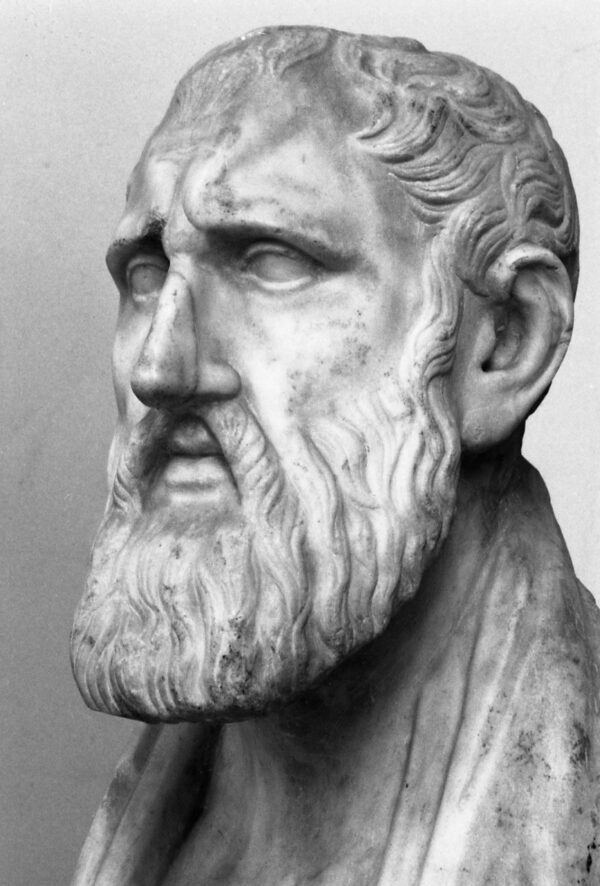
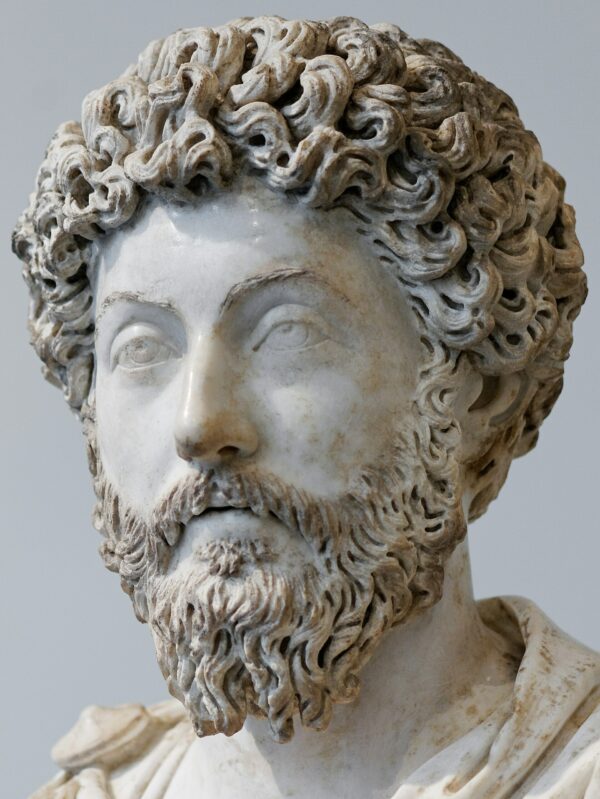
Which is the point at which the Stoics wander in, reminding us that theirs is the ancient art of not losing your mind when life does exactly what it has always done: whatever it likes. Marcus Aurelius, Roman emperor and accidental self-help author, began each morning by reminding himself he would meet rude, selfish, ungrateful people. Not as gloomy prediction but preparation. Expect suffering, setbacks, muppets in your life and you cannot be derailed by them. Essentially: distinguish what you can control, accept what you can’t.
If happiness could be expressed as a crude formula, it might look like this: Happiness = Reality > Expectations.
When reality exceeds expectations, we feel pleased. When it falls short, we suffer. So Expectation Management becomes the central Operating System of a sane life, a suit of armour against cosmic indifference.
The Stoics divided the world into two zones:
Zone 1: things outside your control. Weather, markets, in-laws, the chap who fully reclines his seat on a budget airline.
Zone 2: Things within your control. Your thoughts, actions and responses.
Misery occurs either when we try to control Zone 1, or when we neglect Zone 2. I attempted to control the uncontrollable: a perfect score, a cinematic finale, universal admiration. When those fantasies evaporated, so did my composure.
Elite sportsmen instinctively grasp this. Three-time Major-winning golfer Pádraig Harrington deployed a neat mental trick before every shot: “If this goes wrong, I’m already over it.”
That is Stoic Expectation Management par excellence. Psychologists call this the adaptation principle: humans adjust quickly to both fortune and misfortune. Lottery winners return to their emotional baseline faster than we assume; catastrophic injury survivors often reclaim happiness sooner than seems possible.
What matters is not the situation, but whether it rises or falls relative to expectation. Someone who once had ten million and now has five may feel poorer than someone with far less. Everything depends on the baseline one becomes accustomed to. My Belfry meltdown was a comic version of a universal truth: expectations set too high invite suffering, even when life is actually pretty good.
Stoicism’s promise is this: nothing has gone amiss. Things go wrong. People disappoint. Golf balls plop into lakes. Our task is not to prevent these events (we can’t), but to decide how surprised we plan to be.
The golfer expecting perfection will live in perpetual misery; the golfer anticipating hazards – bunkers, lip-outs, malicious gusts – paradoxically enjoys the game more. Trouble arrives whether we anticipate it or not. The Stoic simply chooses readiness.
Most people reach this outlook naturally with age. Ask a 90-year-old: after enough storms, you stop demanding permanent sunshine. Serenity comes from controlling responses, not outcomes. But why wait for arthritis and a bus pass? Begin tomorrow morning, ideally before your first coffee. Just like Marcus: “Today, things will go wrong. People will annoy me. I will make mistakes. That’s fine. My job is to respond well.”
Had I possessed even a glimmer of that attitude in 1993, my golf bag would not be gathering algae at the bottom of a lake in Warwickshire. It’s why my godchildren receive a leather-bound Meditations for their 18th birthdays: start them young I say, before they too find themselves hurling sports equipment into lakes.
Stoicism teaches us how to stay upright when life slices one into the water. It means accepting that life is not a curated feed but a messy, occasionally magnificent experience in which we control relatively little: except our reaction. Adjust the sails. Enjoy the holes that go right. Expect less. Appreciate more. Anticipate water hazards, in golf and in life. And when the ball inevitably plops into the lake (as it will), maybe keep hold of the bag this time.
Indeed, Happiness = Reality > Expectations. Everything else is noise.
This piece is an excerpt from Alex Hucklesby’s forthcoming debut book, The Happiness Hack – Building the Strength of Character for a Fulfilled Life.
Comment for a chance to win a bottle of Vintage Champagne!
Send us a comment about this article, or ideas for future articles or interviews you would like to read. If we decide to publish any comments in future, you will win a bottle of Vintage Champagne.
Coming up at Boisdale
Discover what's going on across our famous venues
Membership
The Boisdale Club exists to generally encourage the enjoyment of life with a specific focus on delicious wine, Cuban cigars, Scottish malt whisky, live music and interaction between its members.
Please click apply now to find out more and sign up to the Boisdale Club.